
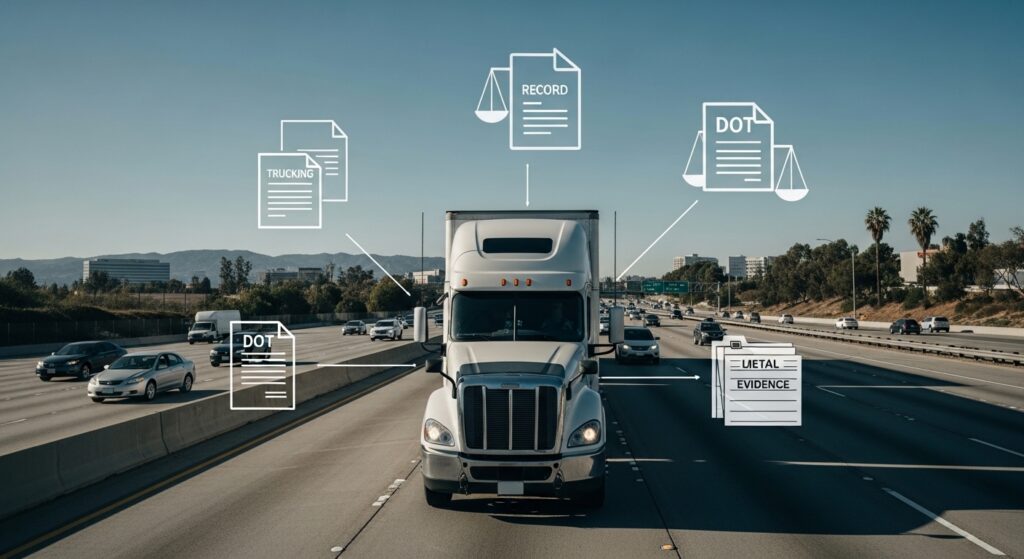
A chameleon carrier accident can make a truck crash claim harder to investigate. Some trucking companies close one business and reopen under another name. Others may use a new DOT number, new address, or related company to avoid past safety problems.
For injured victims, this creates a serious problem. The truck driver may seem easy to identify. The company behind the truck may not. The insurance trail, ownership records, safety history, and dispatch records may tell a much bigger story.
This issue matters in Orange County. Commercial trucks move through I-5, I-405, SR-55, SR-57, and SR-91 every day. These routes serve ports, warehouses, construction sites, and delivery hubs. When a crash happens, victims need to know who controlled the truck and who should pay for the damage.
Why Chameleon Carrier Accident Claims Matter in 2026
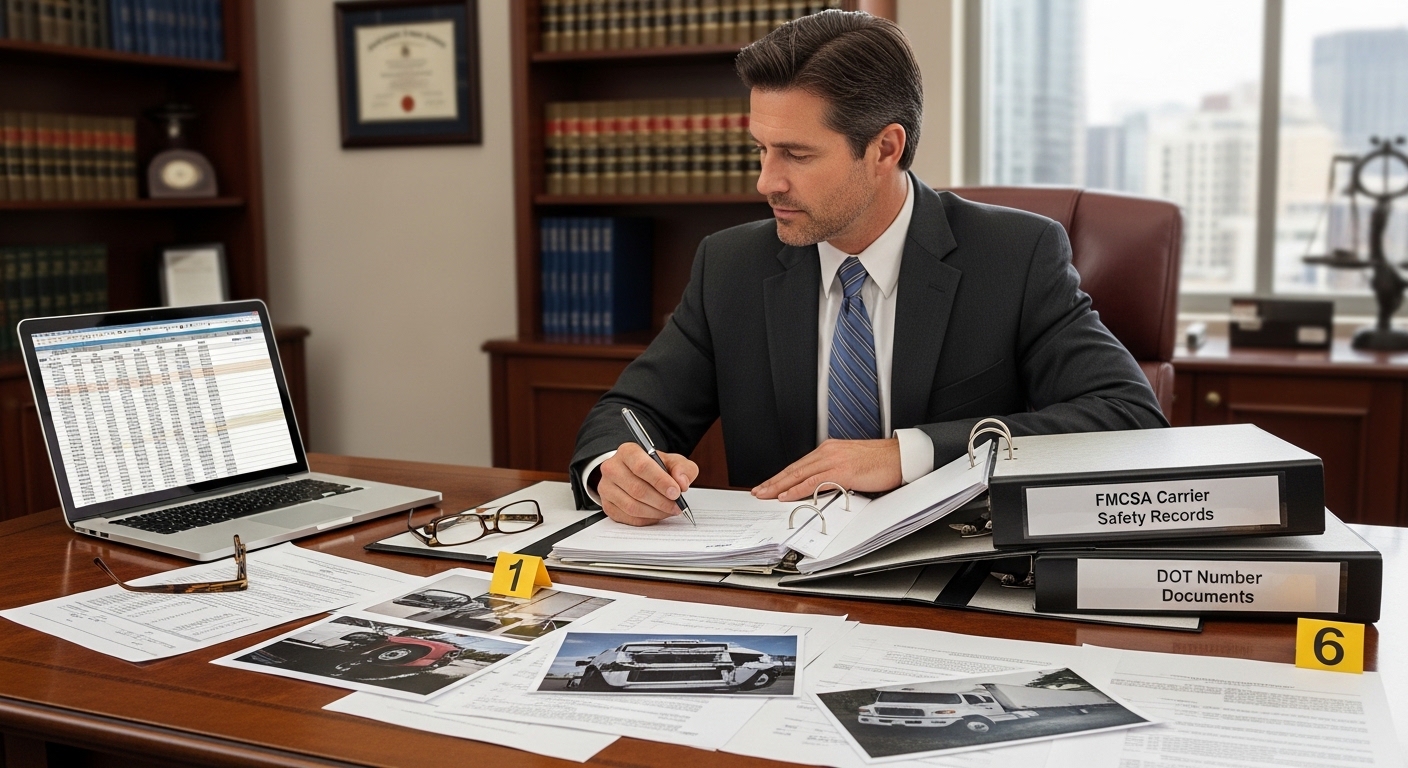
A chameleon carrier accident claim may involve a trucking company that looks new on paper. In reality, the same owners, trucks, dispatchers, drivers, or unsafe habits may still exist. The company may try to leave behind old violations, unpaid penalties, bad insurance history, or crash records.
This is not just a paperwork issue. Unsafe trucking practices can follow the same people into a new business. If the company ignores driver training, maintenance, or safety rules, the risk stays on the road.
What a chameleon carrier is
A chameleon carrier is a trucking business that changes identity to avoid scrutiny. It may use a new company name, DOT number, MC number, address, or operating authority. On paper, it may look clean. Behind the scenes, it may connect to a company with a poor safety record.
That difference can affect a truck accident claim. A police report may only list the driver and company name on the truck. That report may not show related companies, shared owners, or past safety problems.
A deeper investigation may reveal more. Lawyers may compare addresses, business filings, insurance records, truck markings, dispatch logs, and carrier records. These details can show whether the “new” company has old safety problems.
Why a new DOT number can hide old safety problems
Federal trucking records often depend on company names and DOT numbers. If a carrier changes those details, a simple search may miss the full history. That is why the FMCSA Company Safety Records tool can help start the investigation.
However, victims should not stop there. A trucking company may use related entities, leased trucks, or shared business addresses. It may also move vehicles between companies. These tactics can make a dangerous operation look fresh.
A lawyer may review driver files, insurance documents, maintenance records, bills of lading, and broker communications. These records can show who hired the driver, who owned the truck, and who controlled the load.
Why Orange County truck crashes need deeper carrier checks
Orange County roads carry heavy commercial traffic. Trucks serve warehouses, ports, construction areas, stores, and distribution centers. Many trucks also pass through the county on longer routes.
After a crash, the carrier may not be the only responsible party. A claim may involve the driver, motor carrier, broker, shipper, trailer owner, maintenance company, or cargo loader. Each party may hold important evidence.
This becomes more important when the carrier has a confusing history. A company may blame the driver and deny deeper responsibility. The records may show something different.
Your internal guide on how to prove fault in a truck accident in Orange County supports this topic well. It explains why evidence matters when victims need to prove liability.
How Lawyers Investigate a Chameleon Carrier Accident Claim
A strong truck accident claim needs facts. Suspicion alone will not prove liability. A lawyer must connect the carrier’s conduct to the crash.
That process starts with evidence. The investigation should identify the truck, driver, carrier, load, route, dispatch instructions, safety history, and insurance coverage. It should also check whether related companies played a role.
Warning signs of a possible chameleon carrier
Some warning signs may point to a chameleon carrier. A company may have a new registration but many trucks. It may share an address with another carrier. It may use vehicles connected to an older company.
Other signs may include repeated company name changes, related owners, similar phone numbers, or matching dispatch contacts. The carrier may also have limited safety history despite active operations.
These signs do not prove wrongdoing by themselves. They do justify a closer look. A good investigation compares several records instead of relying on one document.
Important records may include the police report, FMCSA data, DMV records, insurance filings, driver qualification files, maintenance logs, lease agreements, GPS data, ELD records, and load documents.
Evidence to preserve before it disappears
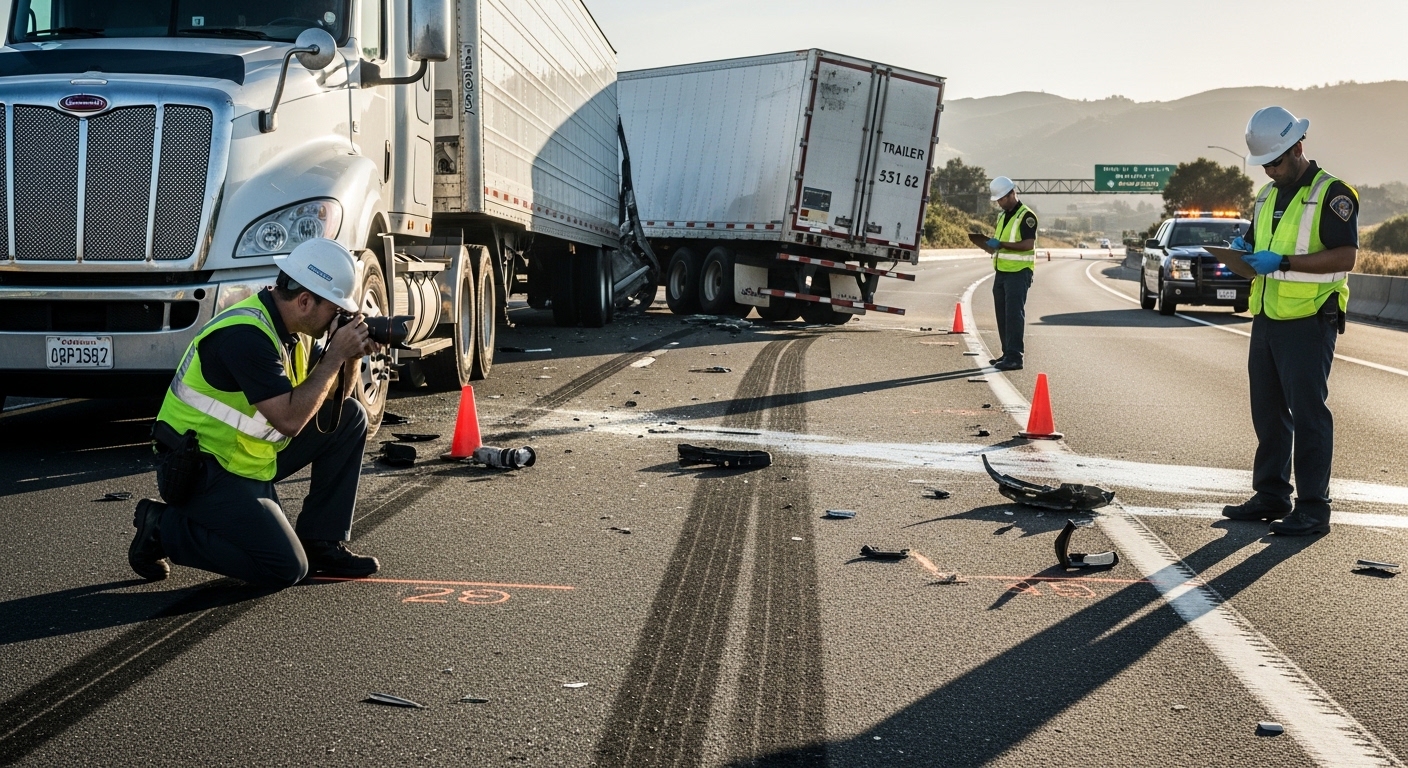
Truck accident evidence can disappear fast. Companies may overwrite dashcam footage, GPS data, ELD records, and dispatch messages. Repairs may also change or destroy vehicle evidence.
A lawyer can send a preservation letter. This letter tells the carrier and related parties to keep key records. In a possible chameleon carrier accident, the letter may need to reach more than one company.
The letter may cover the motor carrier, related entities, broker, shipper, trailer owner, maintenance vendor, and insurer. Each party may hold records that reveal control, safety failures, or company relationships.
Your article about truck inspection reports in truck accident cases fits naturally here. Inspection records may show whether the truck had safety problems before the crash.
Your article on surveillance cameras in truck accident investigations also adds value. Outside video can help confirm how the crash happened.
Steps victims should take after an Orange County truck crash
After a serious truck crash, victims should focus on safety first. Call 911 and get medical care. Follow the treatment plan and keep records of every visit.
Medical records help connect the injuries to the crash. They also help fight insurance arguments. Delayed treatment can hurt a claim, even when the pain is real.
If it is safe, take photos and videos at the scene. Capture the truck, trailer, license plates, DOT number, company name, road conditions, skid marks, debris, cargo, and visible damage.
Also collect witness names and phone numbers. Write down what the driver said. Note whether the driver mentioned a delivery deadline, dispatcher, or mechanical issue.
Victims should avoid casual recorded statements with insurance adjusters. Adjusters may ask questions that sound simple. Later, they may use the answers to reduce the claim.
Your post on what to do after a truck accident in Orange County gives readers a useful next step. It also strengthens the internal link structure for this topic.
Final thoughts
A chameleon carrier accident is not only about a company changing names. It is about accountability. Victims deserve to know who placed the truck on the road and who controlled the operation.
Some companies may try to hide behind new paperwork. A strong investigation can uncover the full picture. It can reveal unsafe hiring, poor maintenance, bad training, dispatch pressure, or related company control.
Orange County truck accident victims should not rely only on the name listed in the police report. The real story may sit in carrier records, inspection reports, insurance files, corporate documents, and electronic data.
This article is for general educational purposes only. It is not legal advice. Anyone injured in a truck crash should speak with a qualified attorney about deadlines, evidence, liability, and legal options.